Silk momme explained: what separates 19 from 22
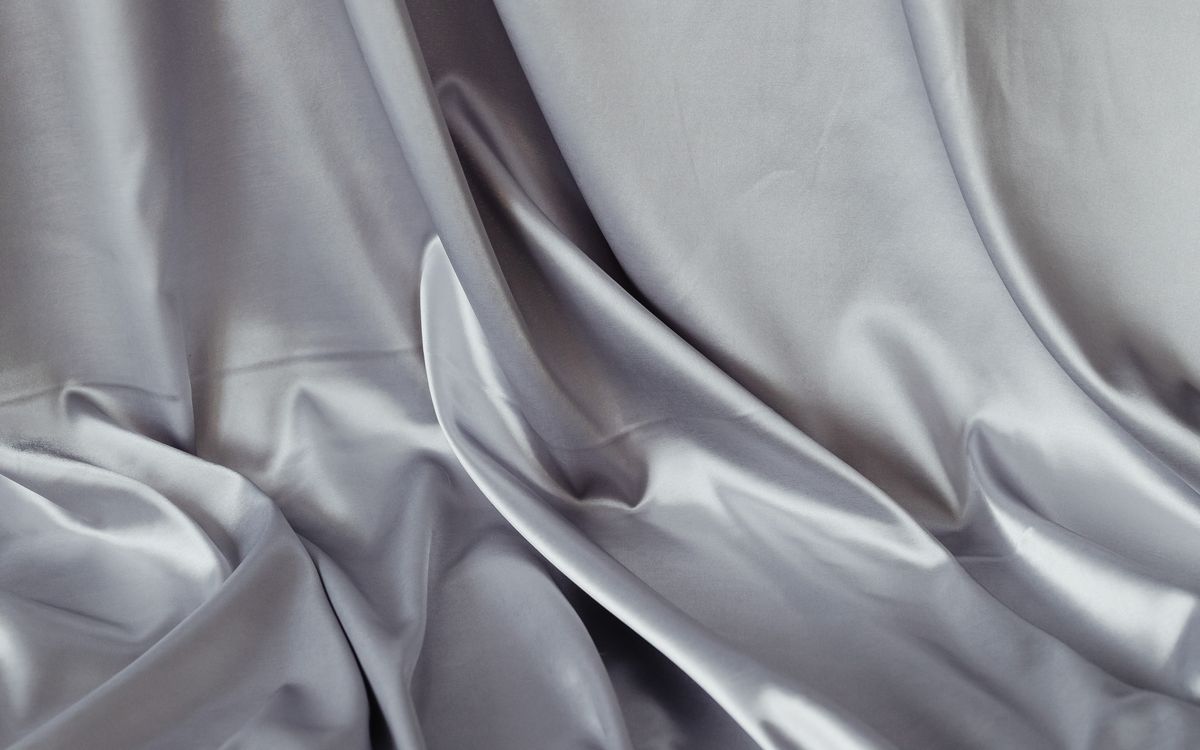
Silk is the only common apparel fiber sold under its own private weight unit, and that unit — momme, written “mm” in trade shorthand — decides whether a silk garment feels liquid or substantial, whether it is opaque under bright light, and how many years of wear the seams survive. The number is unfamiliar to most buyers, which is convenient for sellers: an unlabeled momme hides more than a missing gsm ever could in cotton.
Short answer
Momme measures silk fabric weight, with one momme equal to about 4.3 gsm. Roughly 8 to 12 momme is lining and lingerie cloth, 12 to 16 is shirt and blouse weight, 19 to 22 is the bedding and premium-garment range, and above 22 sits heavier drapery and speciality cloth. The gap between 19 and 22 is roughly thirteen percent more fiber per square metre — meaning more opacity, more seam strength, and slower wear, paid for with a heavier, less fluid drape. For anything that takes nightly friction, buy 22; for anything that has to float, 16 to 19 is usually the better garment.
What momme measures
Momme descends from the Japanese kimono trade, where silk was weighed in units called monme, and the definition has never modernized: one momme is the weight, in pounds, of a bolt of fabric 100 yards long and 45 inches wide. It is a linear measurement applied across a fixed width, which is why it converts to gsm cleanly — one momme equals roughly 4.3 gsm — but why it is meaningless unless the fabric width matches the assumption. Modern silk is woven at several widths, and the conversion holds regardless, since the number describes areal density, not the bolt itself. Reading momme against gsm gives the scale in familiar terms:
| Momme | Approximate gsm | Fabric character |
|---|---|---|
| 8 | 34 | Sheer lining weight, delicate |
| 12 | 52 | Light lingerie and lining cloth |
| 16 | 69 | Standard blouse and shirt weight |
| 19 | 82 | Premium garment weight, mostly opaque |
| 22 | 95 | Bedding weight, fully opaque, durable |
| 28 | 121 | Heavy drapery and speciality cloth |
The conversion is the most useful thing a buyer can memorize, because it lets a 22 momme pillowcase be compared directly against a cotton percale sheet in the same mental units.
Momme by product
Different silk products settle into different bands because they take different abuse. Lining cloth hides inside a jacket and never touches the world; bedding scrubs against a face eight hours a night. The trade’s de facto bands follow that logic:
| Product | Typical momme | Why it sits there |
|---|---|---|
| Linings and lingerie | 8 - 12 | Low friction, sheer cloth acceptable, low cost |
| Scarves | 8 - 14 | Drape and sheen outrank durability |
| Shirts and blouses | 12 - 16 | Needs some body for tailoring, stays fluid |
| Premium garments | 16 - 19 | Balance of drape and lifespan |
| Pillowcases and sheets | 19 - 22 | Nightly friction demands fiber per area |
| Heavy drapery, dupioni | 22 and up | Structure and light-blocking dominate |
Scarves are the band where shoppers most often overpay — a scarf’s whole job is drape and sheen, and extra momme works against both. The buying logic for each accessory weight is laid out further in the momme guide for scarves.

19 versus 22: the practical gap
The two numbers anchor the premium end of the consumer market, and the difference between them is more than thirteen percent areal fiber. In practice it shows up in four places. Opacity: 19 momme charmeuse will show light through it at a window or under studio lamps; 22 will not. Seam life: a pillowcase takes tens of thousands of friction cycles against skin and hair, and the extra fiber per area of 22 momme roughly doubles the working life against seam fraying and thinning. Drape: the 22 hangs with more weight and less float, which bedding buyers like and blouse buyers usually do not. Price per momme: heavier silk costs more per unit in raw material alone, so a 22 momme product at a 16 momme price is either a good find or a mislabel. Neither number is “better” — they are tools for different jobs, and the garment type on the label should decide which you reach for.
Why thread count does not apply
Cotton bedding trained shoppers to ask for thread count, and silk sellers occasionally exploit the habit with invented numbers. The concept does not transfer, because silk is not spun the way cotton is. A single silk filament can be reeled off a cocoon in one continuous length of roughly a kilometre and woven directly, without spinning into yarn at all — so there is no standard thread thickness to count, and a “750 thread count silk” claim describes nothing. Where silk is spun (from broken cocoons and waste fiber, in spun-silk cloth), the yarn thickness varies by design. Weight per area is the only honest common measure, which is exactly what momme provides.
Momme and care
Weight changes how silk tolerates laundering. Light silks — 8 to 14 momme — are fragile wet, since the filaments lose a meaningful share of their strength in water and the thin cloth has little reserve; hand washing cold with silk detergent or dry cleaning is the defensible choice. From 16 momme up, gentle hand washing or a delicate machine cycle becomes more realistic for plain, undyed-in-dark-colors cloth, though chiffons and satins with heavy dyes still prefer cooler and gentler handling. Heavier momme also resists the snags and pulled threads that ruin light silk garments in a wardrobe. The full decision tree, including which finishes and dyes change the answer, is laid out in the silk washing guide.
Reading a listing that hides its momme
Sellers who omit the momme usually do so because the number is low. Three checks reconstruct it. First, opacity against light: true 19-plus silk is fully opaque at window light; anything visibly translucent is under 16. Second, mass in the hand: a 22 momme pillowcase has a weight comparable to a mid-weight cotton percale case of the same size, and the difference against a 16 momme version is unmistakable once held. Third, price logic: mulberry silk costs money per gram, so a garment claiming 22 momme at the price of a 12 momme one is advertising something it cannot deliver. Where a listing does state the number, it is the single most load-bearing spec on the page — more predictive of garment lifespan than fiber origin claims, country-of-woven labels, or the finish descriptions that decorate blouse listings, where momme and weave together decide how a silk shirt actually wears.
Frequently asked questions
- What does momme actually measure?
- Momme is a weight measure borrowed from the Japanese kimono trade: one momme is the weight in pounds of a piece of fabric measuring 100 yards long and 45 inches wide. Converted, one momme is about 4.3 gsm, so a 19 momme charmeuse lands near 82 gsm and a 22 momme near 95 gsm.
- Is 22 momme silk always better than 19?
- Not always. The 22 is heavier, more opaque, and longer-lived, which makes it the right choice for pillowcases and bedding that take nightly friction. For a flowing blouse or a scarf, the lighter drape of 16 to 19 momme is often the better garment even though the fabric will not last as many wears.
- Why do silk listings not use thread count?
- Thread count assumes fibers spun into yarns of roughly standard thickness, which is true of cotton bedding but not of silk, where one continuous filament can be reeled off a cocoon and used directly. Silk yarn varies so much in denier and in whether the filament is used raw or spun that thread count carries no meaning, so the trade measures weight instead.