Flannel vs Flannelette: weight, brushing, and what the nap actually does
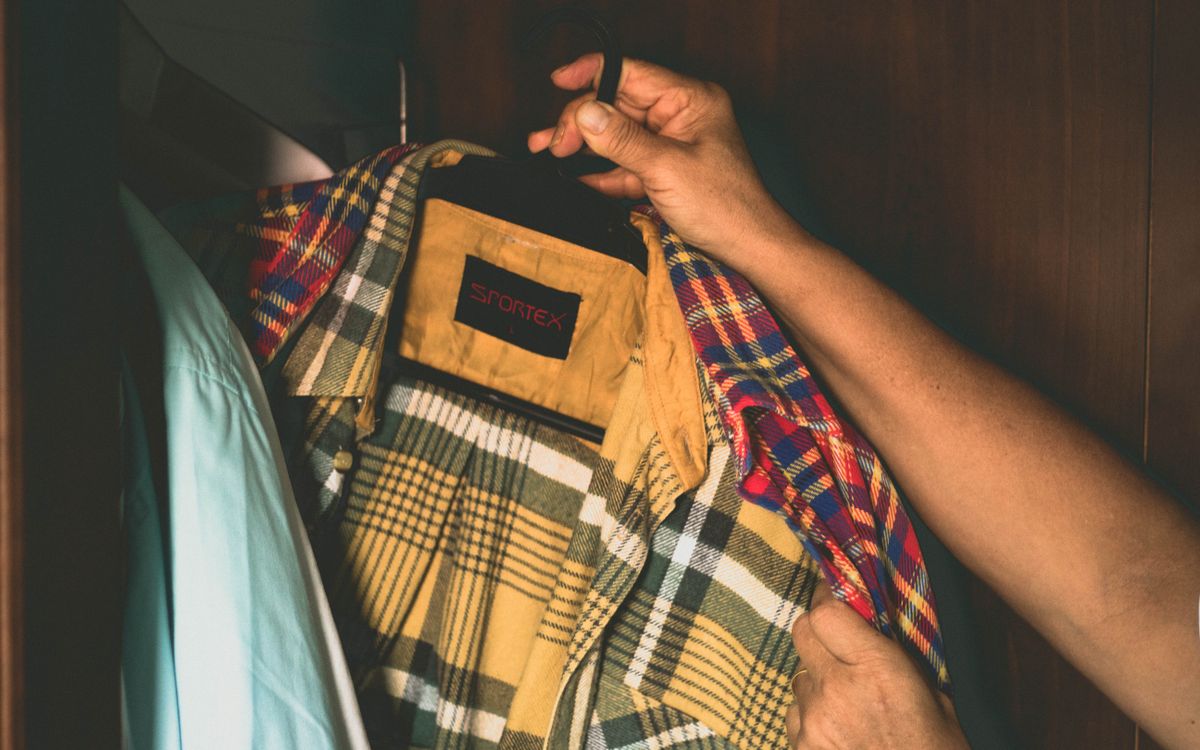
Flannel and flannelette describe one of the most useful cold-weather cloth families, and also one of the most loosely labeled. Both are warm, soft-surfaced fabrics defined by a raised nap rather than by fiber or weight — which is why a wool shirting, a cotton sheeting, and a polyester blanket can all carry the name. This guide separates the two words, explains what brushing does mechanically, and maps the weights and constructions worth checking on a label.
Short answer
Flannel and flannelette are the same cloth family: a soft-spun weave brushed to raise a nap. Traditionally flannel was the wool version and flannelette the lighter cotton one; in current retail, both names mostly mean brushed cotton. What separates a good flannel from a bad one is fiber, yarn spin, and brushing coverage — not the name on the label.
Two words, one family
The historical division is straightforward. Flannel entered English as a woolen cloth: carded wool spun soft and loose, woven plain or twill, then napped with teasels to raise a fuzzy surface that trapped air and shed light rain. Flannelette arrived later, in the nineteenth century, as the cotton imitation — lighter, cheaper, brushed on one or both faces, and aimed at sheets, nightwear, and children’s clothes. The suffix was doing honest work: same structure, cotton instead of wool.
Modern usage has blurred the line almost completely. Most fabric sold as “flannel” today is cotton or a cotton-polyester blend, and “flannelette” survives mainly in Commonwealth bedding vocabulary. The result is that the name no longer predicts material, weight, or quality; it predicts only that some surface has been raised. That is why the useful reading order on any flannel product is fiber content first, fabric weight second, brushing description third — the label-reading framework that applies to every fabric purchase, not just this family.
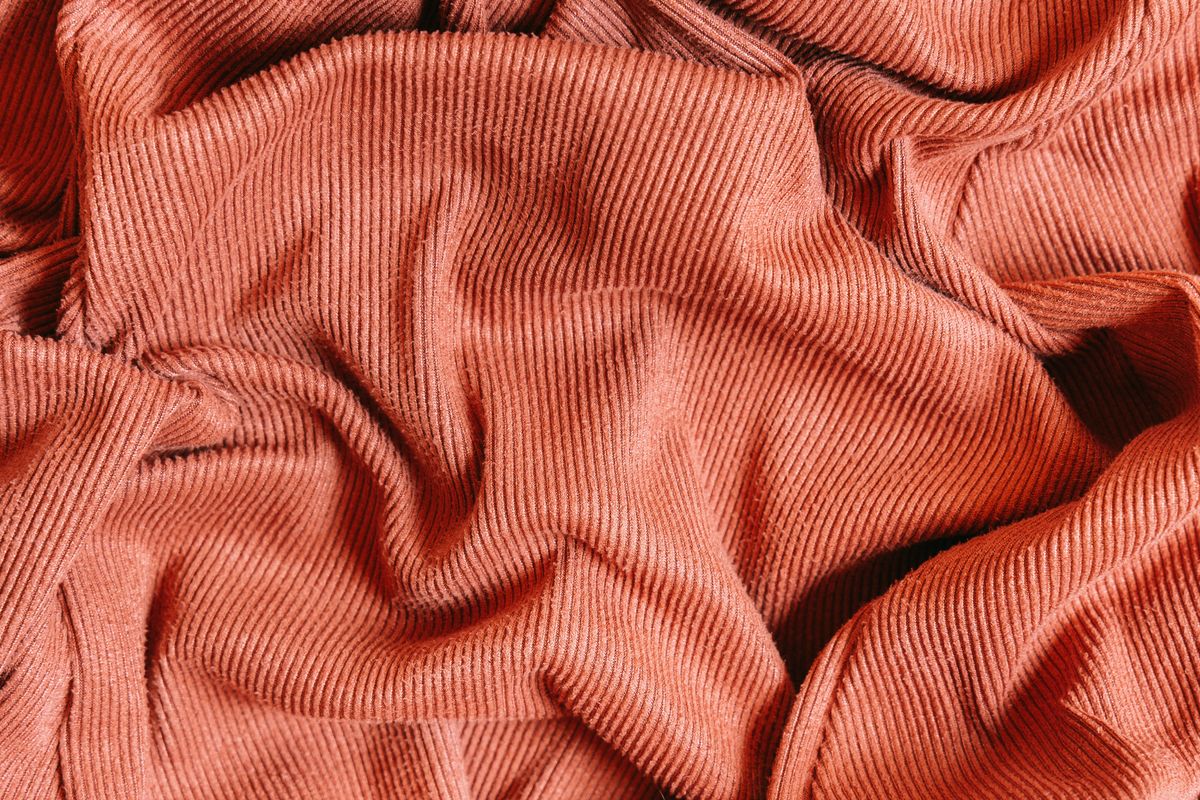
What brushing does: the nap is the fabric’s insulation
A nap works by physics, not feel-good marketing. Brushing abrades the fabric surface with fine wire rollers until fiber ends lift out of the yarn structure and stand as a low pile. That pile does two things. It traps a layer of still air — the actual insulation, since air conducts heat poorly — and it moves the surface that touches skin from smooth yarn to soft fiber ends, which is why napped cloth feels warm immediately on contact even before it has trapped any heat.
The details of brushing decide quality. Single-napped cloth is brushed on one face, keeping the other face smooth and print-crisp — most traditional European flannels, and most shirting. Double-napped cloth is brushed on both faces, trading print clarity and tear strength for warmth and immediate softness on both sides — the construction of most winter sheets and heavyweight loungewear. Brushing too aggressively on weak yarn is also how cheap flannel gets its familiar failure: the nap pills and balds within a season because the lifted fibers were never well anchored in the yarn. Fiber length matters more than price here; long-staple cotton holds a nap far longer than short-staple.
Weight: what gsm spans the family
Fabric weight is the number that separates shirting from sheeting from nightwear, because brushing adds surface fuzz without adding much actual mass. Cotton flannel shirting typically runs in the 150 to 200 gsm range — enough body for a button-up that wears as a light jacket layer. Bedding flannel and flannelette usually sit lighter, roughly 130 to 170 gsm, because sheets want drape against the body rather than structure. Heavier double-brushed constructions can exceed 200 gsm, at which point the cloth behaves more like a blanket than a garment fabric.
| Weight class | Typical gsm | Where it shows up |
|---|---|---|
| Light brushed cotton | Under 140 | Summer-weight nightwear, lining cloth |
| Midweight shirting | 150-200 | Flannel button-ups, work shirts |
| Heavyweight double-brushed | Over 200 | Winter sheets, loungewear, blanket cloth |
The ranges are typical, not guaranteed: finishing and fiber staple move the final number, which is why a stated gsm on a product page is worth more than a category name. The full weight map across garment types shows how flannel’s range sits next to unbrushed cottons of the same nominal weight — the surprise being how similar the numbers look, and how different the fabrics feel.
Fiber matters: wool, cotton, and the brushed-microfiber problem
The fiber line decides how the nap behaves over time and how the cloth handles moisture. Wool flannel is the original: naturally crimped fibers hold air even unbrushed, the cloth resists odor, and the nap recovers after steaming. Cotton flannel breathes well, absorbs moisture into the fiber, and washes easily, but its nap flattens with wear and washing and it holds more water when wet. Cotton-polyester blends split the difference — the polyester share speeds drying and resists wrinkles at the cost of breathability.
Brushed microfiber deserves its own warning because it dominates the low end of the market and is not flannel at all. It is fine polyester filament brushed to a plush nap: warm on first contact, very cheap, and quick-drying, but non-absorbent — sweat stays against the skin instead of moving into the fiber, which is why it feels clammy during any exertion and why hot sleepers tend to regret it. If the fiber content line reads 100% polyester, the product is in the flannel look-alike category regardless of how soft it feels on the shelf.
Shrinkage and care: what actually moves the cloth
Flannel shrinks more than smooth weaves of the same fiber because of how it is made. The yarns are carded and soft-twisted — woolen-spun rather than worsted-spun — so they are lightly set and full of internal air. Heat, water, and agitation relax them toward a denser state, and the nap hides the movement until the fit has changed. Brushed cotton flannels commonly lose a few percent more length over their first washes than an equivalent poplin or twill; most of that movement happens in the first two cycles.
The care logic follows directly. Wash cold, on a gentle cycle, with the garment inside out to protect the nap from drum friction. Skip the dryer’s high heat — low heat or flat drying keeps the yarns from compacting, though accepting a small first-wash shrink is more honest than fighting it forever. Wool flannel adds the wool care rules: cool hand wash or dry clean, never hot agitation, or the fibers felt. Steaming lifts a flattened cotton nap partially upright and is gentler than re-brushing, which is a service most owners will not access anyway.
Reading a flannel label: the three lines that predict wear
| Label line | What to look for | Why it matters |
|---|---|---|
| Fiber content | 100% cotton or wool; long-staple if stated | Nap durability and moisture handling follow the fiber |
| Fabric weight | A stated gsm in the 150-200 band for shirting | Weight predicts structure; brushing hides thin yarns otherwise |
| Brushing description | Single-napped vs double-napped, brushed both sides | Double brushing trades print clarity and strength for warmth |
Beyond those three, the flannel shirt guide covers the garment-specific decisions — double brushing, shrinkage allowances, and how heavier cloth changes collar behavior — that turn this fabric knowledge into a purchase that holds its fit for years.
Frequently asked questions
- Are flannel and flannelette the same fabric?
- They belong to the same family and overlap heavily in practice. Traditionally, flannel meant a woolen-spun cloth with a raised nap, while flannelette meant a lighter cotton version, usually in sheets and children's wear. In modern retail the words are used almost interchangeably for brushed cotton, so the fiber content line and the fabric weight tell you more than the name does.
- Why does flannel shrink so much?
- Flannel shrinks because of its loose woolen-spun yarns and its raised nap: the yarns are soft-twisted and lightly set, so heat and agitation relax them toward a denser state. Brushed cotton flannels commonly shrink a few percent more than smooth weaves of the same weight. Cold washing and low-heat or flat drying limit the movement; the first two washes do most of the total shrinkage.
- Is brushed microfiber the same as flannel?
- It imitates flannel, not the same material. Brushed microfiber is fine synthetic filament, usually polyester, brushed to a soft nap — warm and inexpensive, but not breathable or moisture-absorbing the way cotton or wool flannel is. It traps sweat against the skin during any exertion, which is the main reason sleepers who run warm abandon it.